
Recognising and Addressing Common Muscle Issues in Horses Through Massage
Horses, like humans, can experience a range of muscular issues that can affect their performance, comfort, and overall well-being. Recognising these problems early and addressing them effectively is crucial for maintaining a horse’s long-term health. One effective method for managing and alleviating muscle issues in horses is through equine massage. Let’s highlight common muscular problems in horses and explain how massage therapy can help identify and treat these issues.
Common Muscular Issues in Horses
Horses are prone to various muscular issues, often resulting from their physical activities, training routines, or even their day-to-day movements. Here are some of the most common muscle problems that horses can experience:
1. Muscle Strain
Muscle strain occurs when a muscle is overstretched or torn. This can happen during intense exercise, improper warm-ups, or sudden movements. Symptoms of muscle strain include swelling, heat, and tenderness in the affected area. The horse may also show signs of discomfort or reluctance to move.
2. Muscle Spasms
Muscle spasms are involuntary contractions of a muscle or group of muscles. They can be caused by overexertion, dehydration, or electrolyte imbalances. Spasms can lead to stiffness and pain, affecting the horse’s ability to perform and move comfortably.
3. Myofascial Pain Syndrome
This condition involves pain and inflammation in the muscles and the connective tissues surrounding them, known as fascia. Myofascial pain syndrome can cause tight knots in the muscles, leading to discomfort and restricted movement. It often results from repetitive strain or poor posture.
4. Trigger Points
Trigger points are specific areas of muscle that are particularly sensitive and can cause pain when pressed. They can develop due to overuse, injury, or stress. Trigger points can refer pain to other parts of the body, making it challenging to pinpoint the exact source of discomfort.
5. Muscle Atrophy
Muscle atrophy is the wasting away or loss of muscle tissue, often due to lack of use, injury, or underlying health conditions. It can result in weakness and a decrease in muscle mass, affecting the horse’s overall strength and performance.
How Equine Massage Can Help
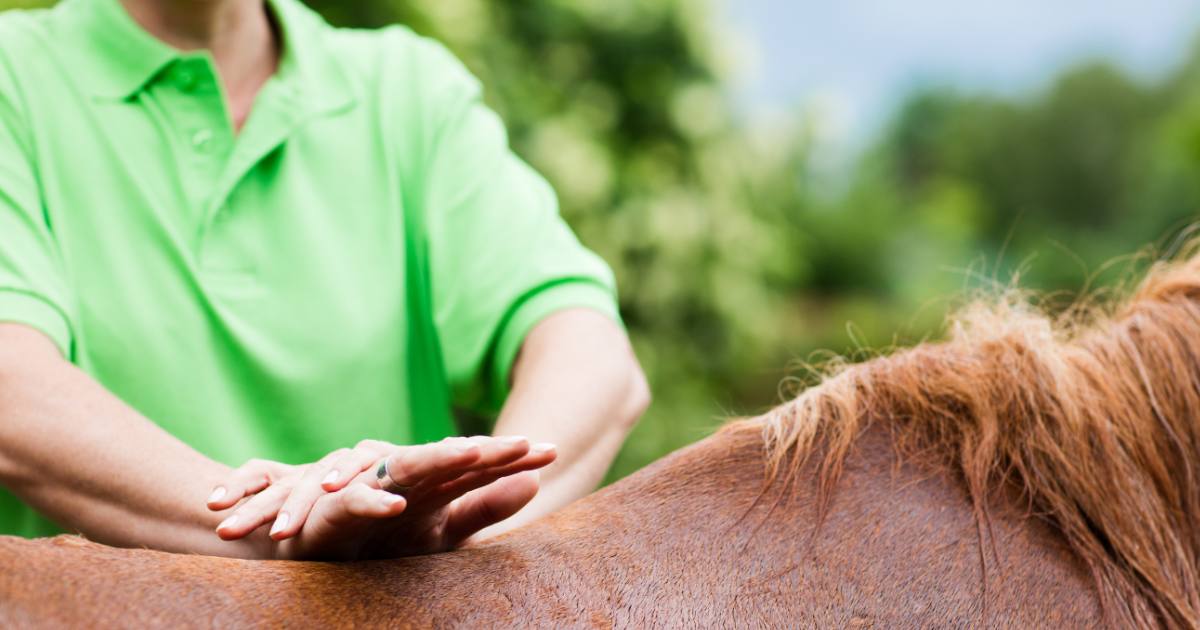
Equine massage therapy is a holistic approach to addressing muscle issues in horses. It involves the manipulation of the muscles and soft tissues to promote relaxation, improve circulation, and relieve pain. Here are some ways equine massage can help identify and alleviate common muscular problems:
1. Enhancing Blood Flow
Massage therapy stimulates blood circulation, which helps deliver oxygen and nutrients to the muscles while removing waste products. Improved blood flow can speed up the healing process for injured muscles and reduce inflammation and swelling.
2. Reducing Muscle Tension
Equine massage can effectively reduce muscle tension and spasms by relaxing the muscles and promoting the release of endorphins, the body’s natural painkillers. This can help alleviate discomfort and improve the horse’s range of motion.
3. Identifying Problem Areas
During a massage session, the therapist can detect areas of tightness, swelling, or sensitivity that may indicate underlying muscle issues. Early identification of these problem areas allows for timely intervention, preventing minor issues from becoming more severe.
4. Releasing Trigger Points
Massage therapy can help locate and release trigger points, reducing referred pain and improving muscle function. By applying pressure to these sensitive areas, the therapist can help break down knots and restore normal muscle activity.
5. Preventing Muscle Atrophy
Regular massage can help maintain muscle tone and prevent atrophy, especially in horses recovering from injury or those with limited mobility. Massage stimulates muscle fibres, encouraging healthy muscle growth and function.
Techniques Used in Equine Massage
Equine massage therapists use a variety of techniques to address muscle issues and promote overall well-being. Some of the most common techniques include:
1. Effleurage
Effleurage involves long, sweeping strokes that warm up the muscles and improve circulation. This technique is often used at the beginning and end of a massage session to relax the horse and prepare the muscles for deeper work.
2. Petrissage
Petrissage consists of kneading, rolling, and squeezing the muscles to release tension and improve flexibility. This technique helps break down knots and adhesions in the muscles, promoting relaxation and pain relief.
3. Friction
Friction involves applying deep pressure to specific areas to break down scar tissue and adhesions. This technique can be particularly effective for addressing chronic muscle issues and promoting healing in injured muscles.
4. Tapotement
Tapotement is a rhythmic tapping or pounding of the muscles, which can stimulate blood flow and relieve muscle spasms. This technique can also help energise the horse and improve muscle tone.
5. Stretching
Incorporating stretching into a massage session can help improve the horse’s flexibility and range of motion. Stretching exercises can also prevent muscle injuries and support overall muscle health.
Case Studies: Success Stories of Equine Massage
To illustrate the benefits of equine massage, let’s look at a few success stories:
Case Study 1: Thunder the Eventing Horse
Thunder, a competitive eventing horse, began showing signs of stiffness and discomfort during training. His owner decided to try equine massage therapy to address these issues. After several sessions, Thunder’s muscle tension decreased, and his flexibility improved. He returned to competition with better performance and increased comfort.
Case Study 2: Daisy the Senior Mare
Daisy, a senior mare, was experiencing muscle atrophy due to age and limited mobility. Her owner introduced regular massage sessions to her routine. The massages helped stimulate Daisy’s muscles, improving her muscle tone and overall well-being. Daisy became more active and showed a noticeable improvement in her comfort and mobility.
Case Study 3: Max the Dressage Horse
Max, a dressage horse, developed trigger points in his back muscles, affecting his performance and causing pain. An equine massage therapist identified and released these trigger points through targeted massage techniques. Max’s pain reduced significantly, and he regained his fluid movement and grace in the dressage arena.
Incorporating Massage into Your Horse’s Routine
To maximise the benefits of equine massage, it’s important to incorporate it into your horse’s regular care routine. Here are some tips for doing so:
1. Work with a Qualified Therapist
Choose a certified equine massage therapist with experience and a good understanding of horse anatomy and behaviour. A qualified therapist can provide the best care for your horse and address specific muscle issues effectively.
2. Establish a Regular Schedule
Consistency is key when it comes to massage therapy. Work with your therapist to establish a regular schedule for massage sessions. Depending on your horse’s needs, this might involve weekly, bi-weekly, or monthly sessions.
3. Monitor Your Horse’s Progress
Keep track of your horse’s behaviour, performance, and overall health. Note any changes or improvements following massage sessions. Regular communication with your therapist can help adjust the massage plan as needed.
4. Combine Massage with Other Care Practices
Equine massage is most effective when combined with other care practices, such as proper nutrition, regular exercise, and veterinary care. A holistic approach ensures that your horse receives comprehensive care for optimal health.
Recognising and addressing common muscle issues in horses through massage therapy can significantly enhance their health, comfort, and performance. By improving blood flow, reducing muscle tension, identifying problem areas, releasing trigger points, and preventing muscle atrophy, equine massage offers a holistic approach to muscle health. Incorporating regular massage sessions into your horse’s care routine, alongside traditional veterinary care, can promote long-term well-being and a better quality of life for your equine companion.
As you continue to explore ways to support your horse’s health, consider the benefits of equine massage. With the help of a skilled therapist and a consistent care plan, your horse can enjoy the numerous advantages that massage therapy provides. Happy, healthy horses make for happy owners and trainers, creating a harmonious bond that lasts a lifetime.
