
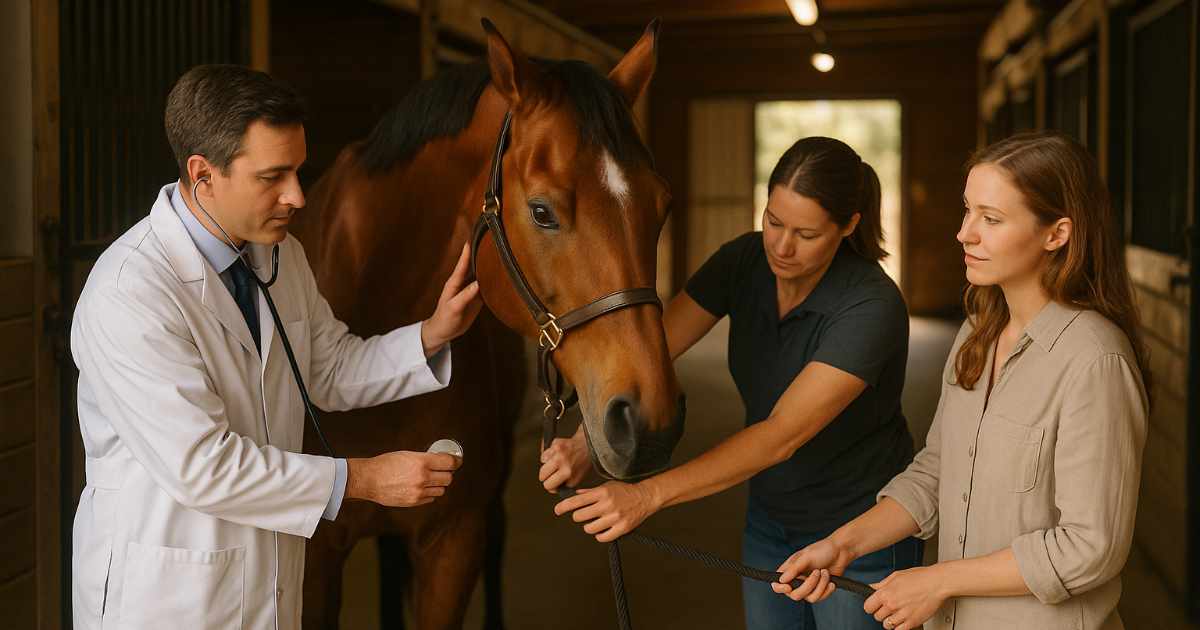
Imagine your horse recovering from an injury with a full team behind them…
The vet monitoring healing… a bodyworker easing muscle tension… the owner giving daily care with confidence… and everyone working together with the same goal: a healthy, happy horse.
That’s the heart of integrative care. It’s not about choosing between traditional veterinary treatment and holistic therapies. It’s about combining the best of both to support the whole horse.
In this article, we’ll explore how working with your vet while using complementary therapies can prevent injuries, speed up recovery and improve your horse’s overall well-being. Let’s look at what true collaboration looks like… and how it can make all the difference in your horse’s life.
What Is Integrative Care?
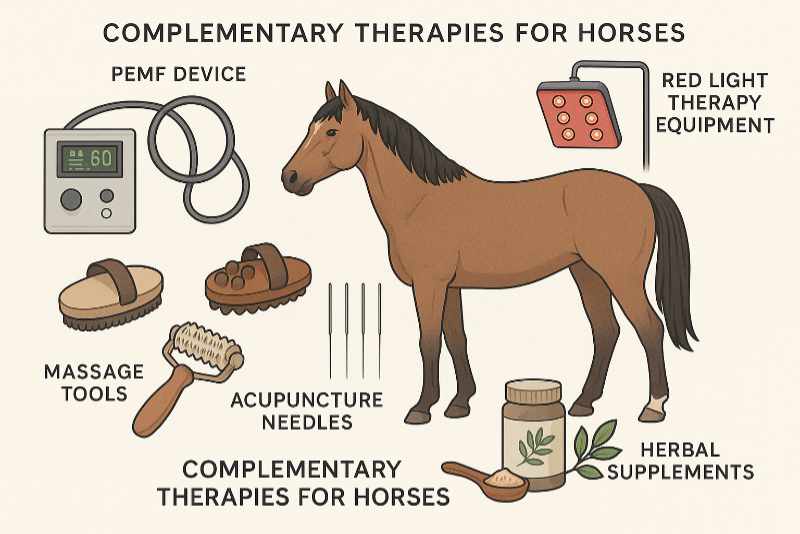
Integrative care means blending conventional veterinary medicine with complementary therapies like:
- Massage therapy
- Pulsed Electromagnetic Field Therapy (PEMF)
- Red light therapy
- Acupuncture or chiropractic
- Nutritional support
- Herbal medicine
These therapies don’t replace veterinary care… they support it. The idea is simple: a vet may diagnose and treat an injury, while a massage therapist helps relieve muscle compensation and PEMF boosts cellular healing. Together, they create a stronger recovery plan.
Just like in human healthcare, collaboration creates better results.
Why One Approach Isn’t Enough
Think of your horse like a puzzle. Each piece plays a role: bones, muscles, nerves, organs, emotions, energy. When something goes wrong… like a tendon injury, back soreness or behavioural change… one piece might show symptoms, but many others are affected.
Vets are essential for diagnosis, medication, surgery and emergency care. But ongoing support often calls for a wider toolkit.
For example:
- After colic surgery, a horse may develop tightness through the back and abdomen. Massage and light therapy can help restore comfort.
- A performance horse with chronic soreness might benefit from regular PEMF sessions to maintain circulation and reduce inflammation alongside a veterinary treatment plan.
- An anxious pony might settle better with a combination of vet-recommended changes and calming essential oils or acupressure.
Integrative care connects the dots.
Real-Life Example: Bella’s Comeback
Let’s talk about Bella, a 12-year-old warmblood mare. A few months ago, she came up lame in her right hind leg. Her vet diagnosed a suspensory strain. She was put on a strict rest plan with anti-inflammatories and controlled exercise.
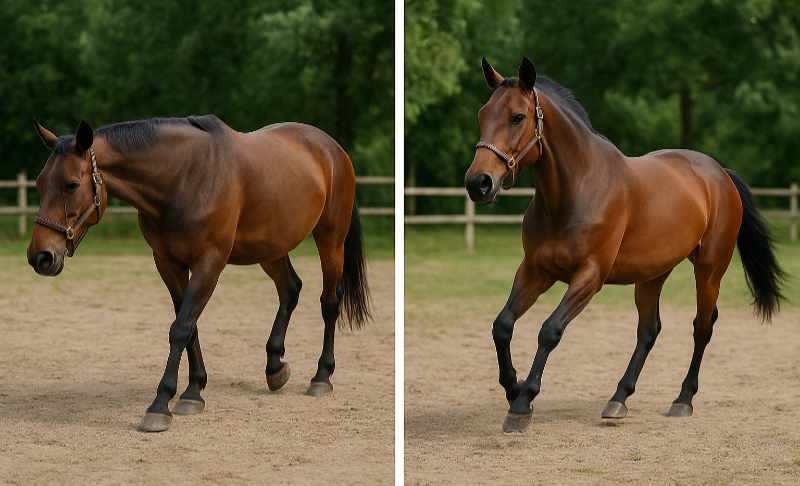
That’s where we started… but not where we stopped.
Her owner also brought in a PEMF practitioner to support soft tissue healing. A massage therapist worked gently on the opposite side to prevent uneven loading. The vet stayed involved, adjusting Bella’s rehab plan as her strength improved.
Everyone worked together. No one stepped outside their role.
The result? Bella returned to full work sooner than expected… with less tension, better balance and zero relapse.
That’s the power of teamwork.
Building Trust Between Owners, Vets and Practitioners
One of the biggest keys to successful integrative care is clear communication.
Here’s how to build trust and work together smoothly:
1. Keep Everyone in the Loop
Always tell your vet if you’re using complementary therapies. Most vets appreciate owners who take an active role in their horse’s wellness… especially when everyone is informed and aligned.
Similarly, tell your therapist or practitioner about your vet’s diagnosis or treatment plan. That way, they can tailor their sessions to support… not conflict with… medical care.
2. Respect Each Role
Vets are trained to diagnose and treat medical conditions. Bodyworkers and holistic therapists support recovery and well-being. When everyone stays within their expertise and shares information respectfully, the horse benefits most.
Avoid asking your massage therapist to “diagnose” a lameness… or expecting your vet to offer herbal recommendations. Let each professional do what they do best.
3. Ask Questions… and Stay Curious
Want to understand how PEMF supports healing? Or why your vet recommends hand-walking instead of paddock turnout? Ask! Good professionals are happy to explain the “why” behind their work.
When you’re curious and informed, you can make better decisions for your horse.
Benefits of Integrative Care for Horses
Working as a team doesn’t just sound nice… it delivers real, measurable benefits.
Faster Recovery from Injury
Therapies like PEMF and massage can speed up healing by improving circulation, reducing swelling and relaxing surrounding muscles. That means fewer compensations… and a smoother path back to soundness.
Better Behaviour and Mood
A horse in pain may act “naughty” or reactive. Addressing underlying discomfort with a blend of veterinary and bodywork support often improves behaviour, focus and willingness.
Improved Performance
Looser muscles. Better joint mobility. Faster recovery after training. Even elite athletes benefit from regular integrative care to stay in peak condition.
Fewer Injuries Long-Term
Prevention is the best medicine. Regular check-ins with your vet, combined with bodywork and gentle therapies, can catch small issues before they become big problems.
Common Myths About Integrative Care
Let’s clear up a few common misconceptions:
“You have to choose between natural and medical treatments.”
Truth: You don’t have to choose one or the other. The best care plans use both… science and softness… together.
“Only high-level sport horses need this kind of care.”
Truth: Companion horses, ponies, retirees and paddock pals benefit just as much. Comfort and wellness matter for every horse.
“Therapies like PEMF or red light are just trendy extras.”
Truth: These tools are backed by real science and used widely in human and animal care. When applied correctly, they’re incredibly effective.
Your Role as the Owner
As the person who knows your horse best, you play a vital role in integrative care. Here’s what you can do:
- Observe closely: Notice changes in movement, behaviour, appetite or energy.
- Keep records: Track treatments, symptoms and improvements.
- Be open and honest: Share everything with your care team.
- Stay involved: Attend vet visits and therapy sessions when possible.
- Stay consistent: Wellness is built through regular, mindful care… not just in emergencies.
Remember, you are your horse’s voice and advocate. You don’t need to have all the answers… but you can help ask the right questions and keep the team connected.
When to Consider an Integrative Approach
You might explore integrative care if your horse:
- Has an ongoing or recurring injury
- Struggles with tension, stiffness or poor posture
- Seems “off” but not lame
- Is recovering from surgery or illness
- Has behaviour changes without a clear medical cause
- Needs help staying sound in work
But honestly… you don’t need a problem to start. Preventative care is just as powerful. A massage today might mean fewer issues tomorrow. A PEMF session could support muscle recovery after a long ride.
Integrative care is about thriving, not just surviving.
Better Together: The Future of Horse Care
More and more horse owners, vets and therapists are recognising that we’re stronger when we work together. No one professional holds all the answers… but when we combine our skills, we unlock a deeper level of care.
Bridging the barn and the vet isn’t hard. It just takes respect, communication and shared intention.
Because in the end, we all want the same thing:
A healthy, happy horse.
