
Decoding Your Horse’s Body Language: Key Signs Every Owner Should Recognise
Understanding your horse’s body language is crucial for building a strong and trusting relationship. Horses communicate largely through body language, expressing their feelings, needs, and even health issues. By learning to read these signals, you can respond more effectively to your horse’s needs and enhance their well-being. Below, we’ll explore common body language signals that every horse owner should recognise, helping you to better understand and care for your equine companion.
The Importance of Body Language in Horses
Horses are highly social animals that rely on body language to communicate with each other and with humans. Unlike humans, horses do not use verbal language, so their body movements, expressions, and postures convey their emotions and intentions. Recognising these signals can help you determine whether your horse is happy, stressed, in pain, or trying to tell you something important.
Ears
Forward Ears
When a horse’s ears are pricked forward, they are alert and interested in what’s happening in front of them. This is usually a sign of curiosity or excitement. If you’re approaching with a treat or during a training session, forward ears indicate that your horse is paying attention and is ready to engage.
Pinned Back Ears
Ears pinned flat against the head are a sign of anger, annoyance, or discomfort. This could happen if your horse feels threatened or is in pain. If you notice this, it’s important to assess the situation and identify any potential causes of stress or discomfort.
One Ear Forward, One Ear Back
When a horse has one ear forward and one ear back, it often means they are trying to pay attention to two things at once. For instance, during a ride, your horse might keep one ear on you and one on the trail. This shows they are attentive and aware of their surroundings.
Eyes
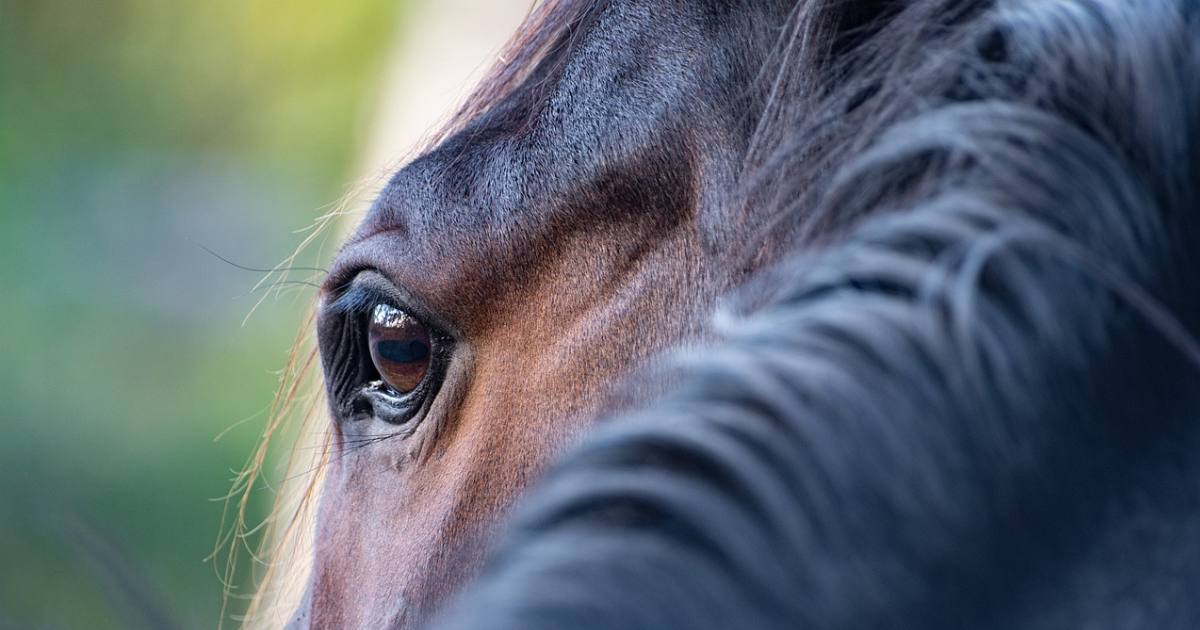
Soft, Relaxed Eyes
A horse with soft, relaxed eyes is generally calm and content. The eyelids will be slightly droopy, and the eyes will appear gentle. This is a good sign that your horse is comfortable and happy.
Wide Eyes
Wide, open eyes with visible whites indicate fear or surprise. Your horse might be reacting to something sudden or unfamiliar. It’s important to calm them down by speaking softly and removing any potential threats.
Squinting or Half-Closed Eyes
Squinting or half-closed eyes can indicate pain or discomfort. If your horse frequently exhibits this expression, it might be worth consulting a vet to rule out any health issues.
Mouth and Nostrils
Relaxed Lips and Soft Nostrils
When a horse’s lips and nostrils are relaxed, it’s a sign they are comfortable and at ease. Soft, round nostrils also indicate a calm and relaxed state.
Tight or Pursed Lips
Tight or pursed lips suggest tension, stress, or discomfort. If your horse is showing this sign, consider what might be causing the stress and try to alleviate it.
Flared Nostrils
Flared nostrils are often a sign of excitement, fear, or heavy exertion. During intense exercise, it’s normal for nostrils to flare as the horse takes in more air. However, in other situations, flared nostrils might indicate that your horse is anxious or scared.
Head and Neck
Lowered Head
A lowered head is generally a sign of relaxation and submission. When a horse lowers its head around you, it means they feel safe and are comfortable in your presence.
High Head
A high head indicates alertness and sometimes anxiety. If your horse’s head is held high, they might be trying to get a better view of their surroundings because they are curious or wary of something.
Snaking
Snaking, where the horse extends its neck and moves its head side to side, is often seen in stallions herding their mares. In a domestic setting, it can be a sign of dominance or aggression.
Tail
Relaxed Tail
A relaxed tail that swings gently as the horse moves is a sign of a calm and content horse. It indicates that your horse is comfortable and happy.
Raised Tail
A raised tail can indicate excitement or high energy. Mares often raise their tails when they are in heat. However, a suddenly raised tail might also indicate a startled or excited horse.
Clamped Tail
A tail clamped tightly against the body is a sign of fear or discomfort. This could be due to an unfamiliar situation, pain, or nervousness. It’s important to find the cause and reassure your horse.
Body Posture
Standing Square
When a horse stands squarely with weight evenly distributed on all four legs, it indicates that they are confident and comfortable. This balanced stance shows that the horse feels secure.
Shifting Weight
Constantly shifting weight or resting one leg can be a sign of discomfort or lameness. If your horse is frequently shifting their weight, it might be worth having a vet check them for any underlying issues.
Pawing the Ground
Pawing the ground can indicate impatience, frustration, or anxiety. It’s often seen in horses that are bored or waiting for food. While it’s usually harmless, excessive pawing can sometimes be a sign of colic or other discomforts.
Vocalisations
Neighing
Neighing or whinnying is a common sound that can mean different things depending on the context. It can be a greeting, a sign of excitement, or a call for attention. Pay attention to the situation to understand what your horse is trying to communicate.
Nickering
Nickering is a soft, friendly sound usually directed towards familiar horses or humans. It’s a sign of affection and recognition. Your horse might nicker when they see you, indicating that they are happy to see you.
Snorting
Snorting usually indicates that a horse is clearing their nasal passages, but it can also be a sign of excitement or curiosity. If a horse is snorting frequently and seems agitated, it might be a sign that they are nervous or stressed.
Understanding your horse’s body language is key to providing the best care and building a strong, trusting relationship. By learning to recognise and respond to the various signals your horse uses to communicate, you can ensure their well-being and happiness. Keep an eye on their ears, eyes, mouth, posture, and vocalisations to get a full picture of how they’re feeling. Remember, every horse is unique, and getting to know your horse’s specific signals will take time and observation. By paying attention and responding appropriately, you can ensure a happy, healthy, and harmonious partnership with your equine friend.
Understanding your horse’s body language takes patience and practice, but the rewards are well worth the effort. A horse that feels understood and cared for is more likely to be happy, healthy, and willing to perform at their best. So take the time to learn these key signals and apply them in your daily interactions with your horse. You’ll soon find that your bond becomes stronger, your horse’s behaviour improves, and both of you will enjoy a more fulfilling and successful partnership.
