
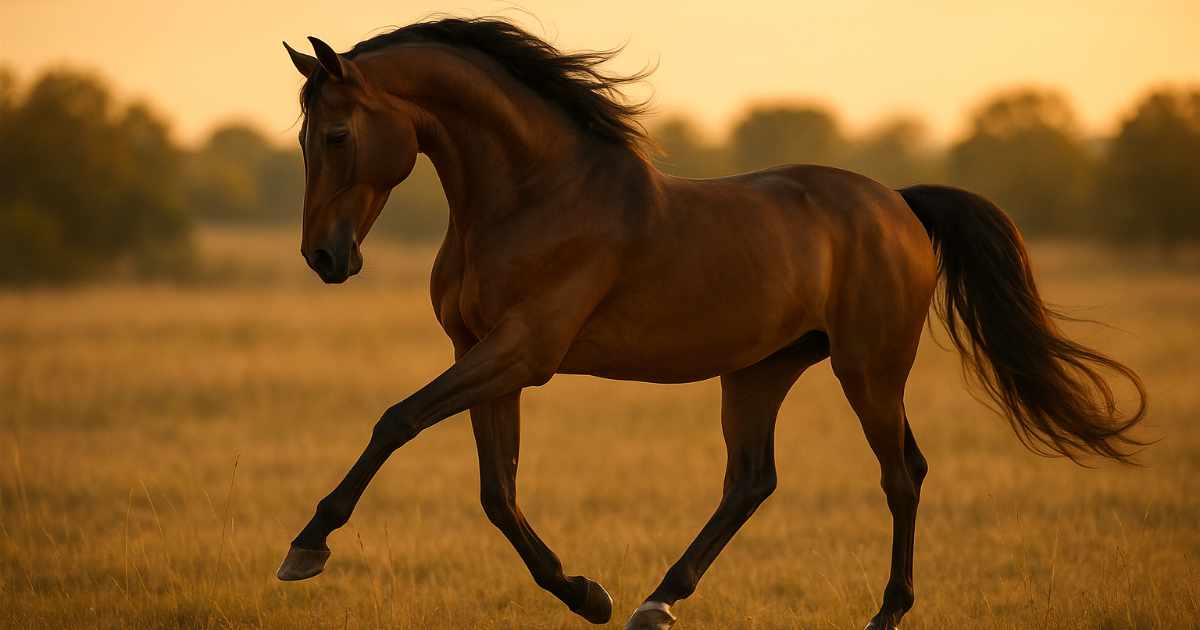
Picture a ballerina. Strong, elegant, balanced… floating across the stage with grace and control.
Now picture a horse moving just like that… muscles fluid, joints free, every step light and effortless.
That kind of movement isn’t just for show horses or elite competitors. It’s something every horse deserves to feel. And it’s possible… with the right kind of care.
Horses are athletes, whether they’re jumping fences, chasing cattle or going for a quiet trail ride. But like all athletes, they can get stiff, sore or tight. The good news? There are gentle, non-invasive therapies that can help them move better, feel better and enjoy life more.
Let’s explore some of these therapies… PEMF, red light therapy and massage… and learn how they help transform your horse from stiff to supple… like a dancer in motion.
Why Movement Matters (Even If Your Horse Isn’t Competing)
We often think of performance horses when we talk about injury prevention or physical therapy. But every horse… young or old, working or retired… needs good movement to stay healthy.
Stiffness can lead to:
- Compensatory movement (which stresses other parts of the body)
- Joint strain
- Muscle soreness
- Poor posture
- Behavioural issues
And guess what? Many horses don’t show obvious pain. They’ll just move a little less freely, resist certain tasks or seem “off” in subtle ways.
Helping your horse move freely isn’t just about performance. It’s about comfort, wellbeing and longevity.
1. PEMF Therapy – Magnetic Magic for Muscles and More
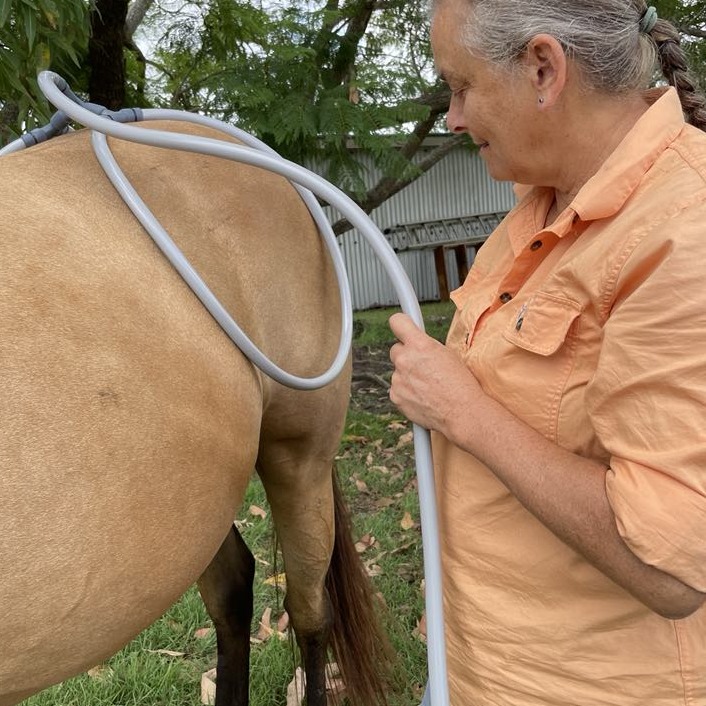 PEMF stands for Pulsed Electromagnetic Field Therapy. Sounds high-tech, right? It is… but it’s also beautifully simple.
Imagine your horse’s body as a battery. Over time, that battery can run low… due to stress, injury, ageing or just everyday wear and tear. PEMF works like a recharger. It sends gentle pulses of energy into the cells, encouraging them to repair, detox and function more efficiently.
What it helps with:
- Muscle soreness
- Joint stiffness
- Inflammation
- Tendon and ligament injuries
- Overall recovery
What it feels like:
Most horses love PEMF sessions. You’ll often see them lick, chew, yawn or even snooze as the pulsing pads do their work. It’s non-invasive, drug-free and deeply relaxing.
Real-life result:
We once treated a 17-year-old gelding who had been stiff through his back and reluctant to canter. After just two PEMF sessions, his movement was noticeably looser and he offered a relaxed, uphill canter for the first time in months.
2. Red Light Therapy – Let There Be Healing Light
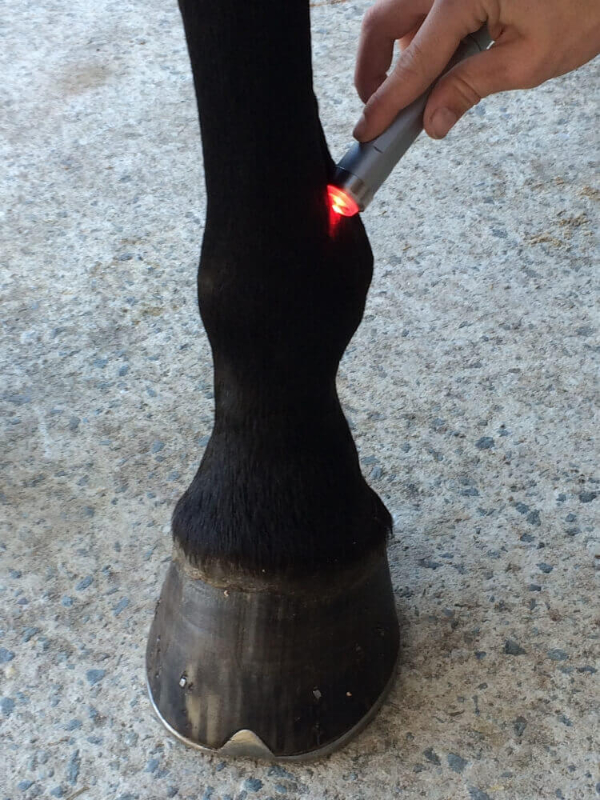 Red light therapy (also known as photobiomodulation) uses specific wavelengths of red and near-infrared light to stimulate cellular repair. It may sound like something from science fiction… but it’s been well-studied in both human and animal wellness.
Red light penetrates tissues and encourages:
- Increased blood flow
- Reduced inflammation
- Faster healing of soft tissue injuries
- Pain relief
- Muscle relaxation
How it’s used:
Red light can be delivered through handheld devices, pads or wraps. It’s often used on:
- Tight backs and hindquarters
- Suspensory injuries
- Hock and stifle joints
- Poll tension and jaw discomfort
A bit of magic:
We had a pony with a history of sacroiliac tension. After red light treatments over his lumbar and SI region, not only did his movement improve… he also started rolling more frequently and lying down for longer rest (two signs of a more comfortable horse).
3. Equine Massage – Like a Spa Day for Your Horse
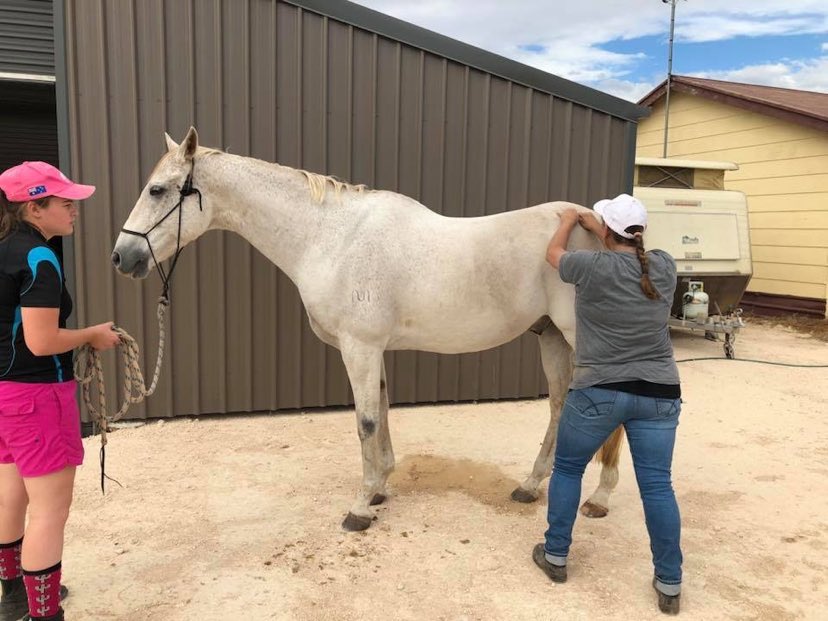 Just like in humans, massage helps release tension, improve circulation and promote relaxation. For horses, it’s especially helpful for:
- Muscle tightness
- Trigger points
- Asymmetry (one side stronger or tighter than the other)
- Recovery after exercise
Techniques used:
- Effleurage (long, sweeping strokes to warm up tissue)
- Compression (to improve blood flow)
- Cross-fibre friction (to break up adhesions)
- Stretching (to increase range of motion)
Massage also gives you a chance to spot issues early… like heat, swelling or sensitivity… before they turn into bigger problems.
Every horse deserves it:
Even paddock ponies benefit from occasional massage. It’s not just about fixing soreness… it’s about supporting a happy, supple body.
Supple Horses = Happier Horses
When your horse is moving freely:
- Ridden work becomes easier and more enjoyable
- Behaviour improves (less resistance, more willingness)
- Recovery is quicker after exercise or injury
- Overall attitude and comfort are enhanced
Think of it like this: would you expect a dancer to perform perfectly if their hamstrings were tight, their back was sore and they hadn’t warmed up properly? Horses are no different. They thrive when their bodies are cared for gently and consistently.
Signs Your Horse Might Be Stiff (Even If They Aren’t Lame)
Not all stiffness shows up in obvious ways. Here are a few subtle clues to look for:
- Reluctance to bend one way
- Difficulty picking up a particular lead
- Shortened stride behind
- Tail swishing under saddle
- Ear pinning or biting when being tacked up
- Unwillingness to stand for mounting
- Rushing, resisting or feeling “off” without lameness
If you’ve noticed any of these, it might be time to explore some bodywork or therapy options.
At-Home Tips to Keep Your Horse Moving Like a Dancer
While professional therapies are powerful, there are simple things you can do at home to support suppleness:
Daily Stretching
Incorporate carrot stretches (nose to girth, hip and between front legs) to gently increase range of motion.
Warm-Up Properly
Always allow time for a slow, progressive warm-up. Walking in-hand or under saddle before asking for more effort makes a big difference.
Work on Balance and Symmetry
Include pole work, hill walking and circles in both directions. Focus on even movement through both sides of the body.
Create a Calm Environment
Stress and tension often show up in the body. A calm, predictable routine reduces anxiety… and that helps your horse stay looser overall.
When to Call in the Pros
There’s a time for DIY and there’s a time to call in experienced hands. Reach out to a qualified practitioner if:
- Your horse’s movement has suddenly changed
- You’re dealing with injury recovery
- Your horse has had a history of physical trauma or compensation
- You want to build a holistic care plan alongside your vet or coach
Bonus: Many professionals will show you stretches or techniques to continue between sessions… so it becomes a true partnership in your horse’s wellbeing.
Every Horse Is Born to Move
Horses aren’t meant to feel tight, stiff or uncomfortable. They’re meant to move… powerfully, freely, beautifully. When we support their bodies with the right therapies, they come back to that natural rhythm. They become more expressive. More relaxed. More themselves.
You don’t have to wait for a problem to start exploring gentle therapies. In fact, the best time to begin is when things are going well… because that’s how you keep them that way.
So whether you’re riding for ribbons or simply enjoying time on the trail, ask yourself:
Is my horse moving like a dancer… or just getting through the steps?
With the right care, the answer can always be: yes, they’re dancing.
