
Integrating Equine Reiki with Traditional Veterinary Care: A Holistic Approach to Equine Health
Traditionally, veterinary care has been the cornerstone of equine health, addressing everything from injuries to illnesses. However, a growing number of horse enthusiasts are discovering the benefits of combining traditional veterinary treatments with holistic approaches like Equine Reiki. This integration offers a comprehensive wellness plan that supports both the physical and energetic health of our horses.
What is Equine Reiki?
Equine Reiki is a form of energy healing that originated in Japan. The word “Reiki” translates to “universal life energy,” and the practice involves the transfer of this energy from the practitioner to the horse. This process is believed to promote relaxation, reduce stress, and support the body’s natural healing processes. Equine Reiki is non-invasive and gentle, making it a suitable complement to traditional veterinary treatments.
The Role of Traditional Veterinary Care
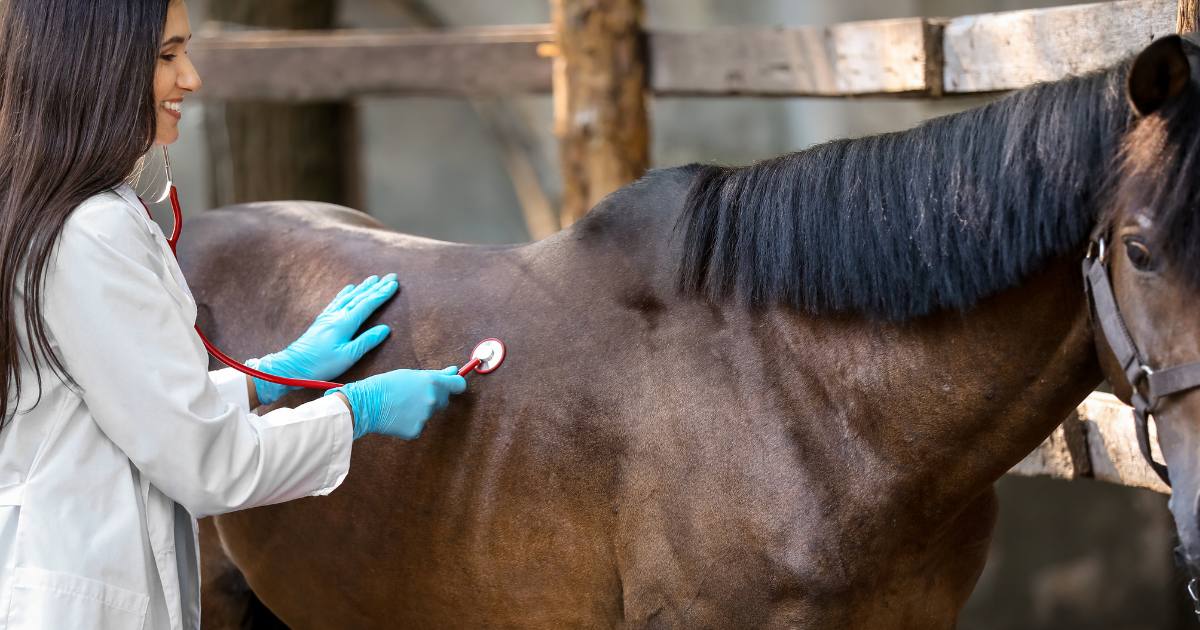
Traditional veterinary care is essential for diagnosing and treating a wide range of health issues in horses. Veterinarians provide vaccinations, perform surgeries, treat infections, and manage chronic conditions. Their expertise is crucial for maintaining the physical health of horses and addressing any immediate medical concerns.
The Benefits of Integrating Equine Reiki with Veterinary Care
By combining Equine Reiki with traditional veterinary care, horse owners can create a more holistic approach to equine health. Here are some key benefits of this integration:
1. Enhanced Healing and Recovery
One of the primary benefits of Equine Reiki is its ability to support the body’s natural healing processes. When used alongside veterinary treatments, Reiki can help speed up recovery times. For instance, after a surgical procedure, Reiki sessions can reduce stress and anxiety in the horse, promoting a calm state that is conducive to healing. Additionally, the energy healing can help alleviate pain and inflammation, further aiding the recovery process.
2. Stress Reduction and Emotional Balance
Horses, like humans, can experience stress and emotional imbalances. These can be caused by various factors, including changes in their environment, new training routines, or health issues. Equine Reiki helps to soothe and calm the horse, reducing stress levels and promoting emotional balance. This can be particularly beneficial for horses undergoing veterinary treatments, as stress can negatively impact their overall health and recovery.
3. Improved Immune Function
Regular Equine Reiki sessions can help boost the immune system of horses. The energy healing process supports the body’s natural defences, making horses more resilient to illnesses and infections. When combined with routine veterinary care, which includes vaccinations and preventive treatments, Reiki can contribute to a stronger, healthier horse.
4. Pain Management
Chronic pain is a common issue in horses, especially as they age or if they suffer from conditions like arthritis. While veterinarians can prescribe medications to manage pain, Equine Reiki offers a drug-free alternative that can complement these treatments. Reiki can help reduce pain levels and improve the horse’s overall comfort, enhancing their quality of life.
5. Building Trust and Bonding
The process of giving Reiki to a horse involves gentle, hands-on contact, which can help build trust between the horse and the practitioner. This bonding experience can be incredibly beneficial, especially for horses that are anxious or have had negative experiences with medical treatments in the past. A calm, trusting horse is more likely to respond positively to both Reiki and veterinary care.
Creating a Comprehensive Wellness Plan
Integrating Equine Reiki with traditional veterinary care requires a thoughtful approach. Here are some steps to create a comprehensive wellness plan for your horse:
1. Consult with Your Veterinarian
Before incorporating Equine Reiki into your horse’s wellness routine, it’s essential to discuss it with your veterinarian. They can provide insights into your horse’s specific health needs and how Reiki might complement their existing treatment plan. Your veterinarian can also help monitor the effects of Reiki and ensure that it does not interfere with any medical treatments.
2. Find a Qualified Equine Reiki Practitioner
To ensure the best results, it’s important to work with a qualified Equine Reiki practitioner. Look for someone who has experience working with horses and a solid understanding of their behaviour and needs. A good practitioner will work alongside your veterinarian to provide holistic care for your horse.
3. Develop a Regular Reiki Schedule
Consistency is key when it comes to Equine Reiki. Work with your practitioner to develop a regular schedule for Reiki sessions. This might involve weekly or bi-weekly sessions, depending on your horse’s needs. Regular sessions can help maintain a balanced energy flow and support ongoing health and well-being.
4. Monitor and Adjust
As with any wellness plan, it’s important to monitor your horse’s progress and make adjustments as needed. Keep track of any changes in your horse’s behaviour, health, and performance. Communicate regularly with your veterinarian and Reiki practitioner to ensure that the integrated approach is working effectively.
Case Studies: Success Stories of Integrating Equine Reiki
To illustrate the benefits of integrating Equine Reiki with traditional veterinary care, let’s look at a few success stories:
Case Study 1: Bella the Dressage Horse
Bella, a competitive dressage horse, was experiencing chronic stiffness and joint pain. Her owner consulted with a veterinarian who prescribed anti-inflammatory medications and recommended physical therapy. In addition to these treatments, Bella’s owner decided to try Equine Reiki. After a few sessions, Bella showed significant improvement. She was more relaxed, her stiffness reduced, and she returned to competition with renewed energy and flexibility.
Case Study 2: Max the Rescue Horse
Max, a rescue horse, had a history of neglect and was extremely anxious around people. His new owner wanted to help him adjust to his new environment and improve his overall health. Along with veterinary care to address his physical health issues, Max received regular Reiki sessions. The Reiki helped to calm Max and build trust with his new owner. Over time, Max became more confident and less anxious, leading to a happier, healthier life.
Integrating Equine Reiki with traditional veterinary care offers a holistic approach to equine health that addresses both physical and energetic needs. This combination can enhance healing, reduce stress, improve immune function, manage pain, and strengthen the bond between horse and owner. By creating a comprehensive wellness plan that includes both veterinary treatments and Reiki, horse owners can ensure their beloved companions enjoy optimal health and well-being.
As we continue to explore and embrace holistic approaches to equine care, the integration of practices like Equine Reiki with traditional veterinary care holds great promise. Together, these methods can provide a balanced, effective path to maintaining and improving the health and happiness of our horses. If you’re looking to give your horse the best possible care, consider incorporating Equine Reiki into their wellness routine. The results might just amaze you.
