

Have you ever stood next to a horse and felt like they knew what you were thinking… before you even moved or spoke? That’s not magic. That’s silent communication and horses are masters of it.
They read body language, sense emotions and respond to energy in ways that most humans have forgotten how to do. But here’s the good news: we can learn to listen like they do. And once we do, everything changes… how we train, how we care and how we connect.
This blog isn’t just about horses. It’s about us… and how tuning in more quietly can bring harmony into every relationship we have, whether it’s with a horse, a dog or another human being.
The Unspoken Language of Horses
 Horses are prey animals. In the wild, their survival depends on being hyper-aware of their surroundings. They constantly scan for danger. They watch the body language of other horses to decide if it’s safe or time to run.
This same awareness is still with them… even in paddocks and arenas. Horses read the tiniest signals. A quick breath. A shift in posture. A raised eyebrow. A clenched jaw. To a horse, these things are louder than words.
They don’t wait for you to give a cue with a rein or a leg. They’ve already read your energy before you even touch them. That’s why some horses “act up” with one person and melt like butter with another. They’re simply responding to what we bring into their space.
A Lesson From Dusty
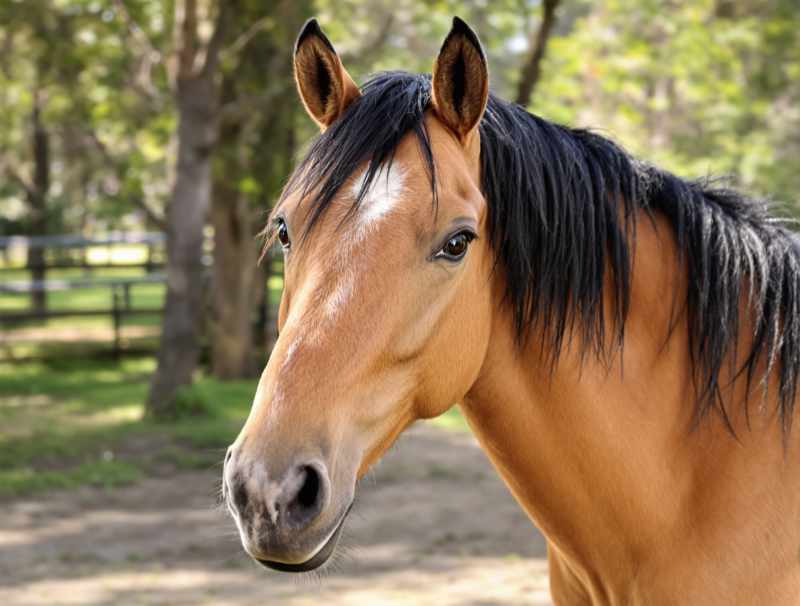 Let me tell you about a gelding named Dusty. He was a handsome buckskin, sharp-eyed and sensitive. His owner was a kind-hearted woman who adored him…but they had trouble connecting.
He wouldn’t stand still to be saddled. He pinned his ears during grooming. He seemed irritated, restless, anxious.
She’d tried different feeds, bodywork, saddle fittings… you name it. One day, I came to visit. I didn’t bring a halter. I just stood at the gate and breathed.
Dusty watched me. After a few minutes, he walked over. I didn’t touch him. I didn’t even look straight at him. I just softened my body, slowed my breathing and let go of any agenda.
He exhaled and dropped his head.
When his owner walked over… still carrying some tension from the day… Dusty stepped back, flicked his tail and moved away. Not because she was doing anything wrong. But because her energy was too loud.
This isn’t about blaming people. We’re not taught how to listen without words. But horses can teach us… if we’re willing to learn.
Why Energy Matters More Than Commands
We’re used to using our voices to ask for things. “Walk on.” “Whoa.” “Good boy.” But horses don’t need words. They watch what we do, not what we say.
Imagine if someone smiled and said “I’m fine,” but their arms were crossed and their jaw was tight. You’d feel something was off, right? Horses feel that too… but on an even deeper level.
They don’t just notice body language. They pick up on intention.
- If you walk into the paddock with frustration or stress, they feel it.
- If you carry fear, they feel it.
- If you approach with patience and openness, they feel that too.
You can’t fake energy with a horse. They see the truth. And they reflect it back to you.
 How to Learn the Art of Silent Listening
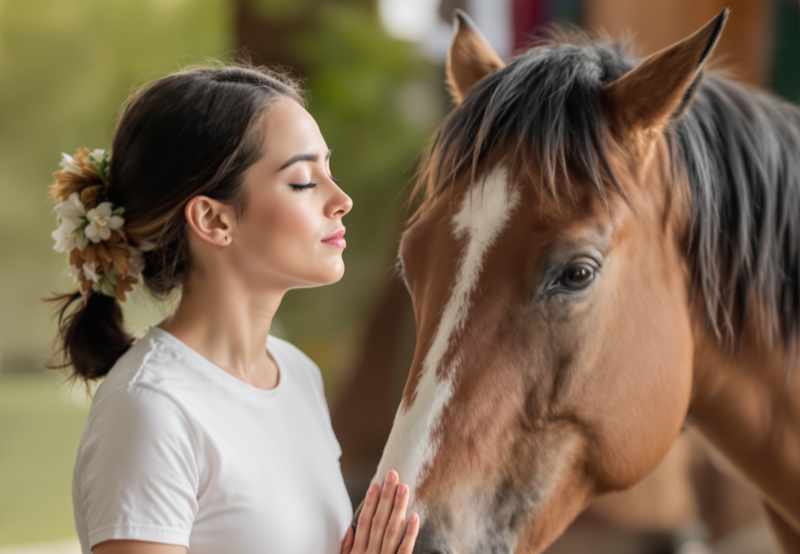
So how do we listen like horses do? Not with ears… but with our bodies, breath and hearts. Here are a few simple (but powerful) exercises you can try:
1. The Stillness Exercise (Start With Presence)
Stand just outside your horse’s paddock or in their yard. Don’t call them over. Don’t try to interact. Just be.
- Plant your feet.
- Take three long, slow breaths.
- Soften your gaze (don’t stare).
- Let go of your thoughts… especially any plans or expectations.
- Just watch. Wait. Breathe.
You’re showing the horse that you’re present, but not demanding. When they feel that, they’ll often become curious and come to you. This moment of shared stillness is where connection begins.
2. Mirror the Herd (Body Language Awareness)
Spend time watching horses in a group. Notice:
- How do they move around each other?
- What happens when one horse pins its ears or lifts a hind leg?
- How do they resolve conflict without noise?
Now try moving with your horse using that same awareness. If you want them to back up, step into their space with calm confidence. If you want them to follow, turn and walk with light energy… like you’re inviting them to dance, not commanding them to perform.
3. Breath Connection (Regulate Your Nervous System)
Before you catch or lead your horse, do a quick breath check:
- Are you breathing shallow or fast?
- Can you take a long, full breath and feel your shoulders drop?
- Are you rushing… or are you calm?
Horses often sync their breath and heart rate to ours. If you’re calm, they calm down too. If you’re anxious, they pick up that vibe immediately.
Practice using breath as your first “cue.” It can shift your entire interaction.
4. Play With Dogs, Too (Same Rules Apply!)
Dogs may be more vocal than horses, but they also respond deeply to energy.
Try this: next time your dog is barking or hyper, instead of yelling or giving commands, sit quietly. Breathe. Soften your energy. Watch what happens.
Dogs, like horses, often mirror what we project. When we tune in, they settle in.
Common Mistakes That Break the Connection
Sometimes we unintentionally push animals away by being too loud, too fast or too focused on outcomes. Here are a few common habits to notice (and gently shift):
- Over-using voice cues – Horses don’t need a constant stream of words. Try using your body and breath more.
- Moving too quickly – Slowing your steps can change your horse’s response completely.
- Not noticing their signals – Horses give feedback all the time (ears, eyes, tension, licking, blinking). The more you notice, the more you can respond appropriately.
This Is a Partnership, Not a Power Struggle
Silent communication is about partnership, not control. It’s not about making a horse do something. It’s about inviting them into relationship. The goal is trust, not obedience.
When a horse feels heard, they become more willing. More relaxed. More themselves. And the same is true for us.
You don’t have to be a horse whisperer to do this. You just have to be willing to slow down, listen deeply and let the horse teach you. Because in the end, they’re the best teachers we’ve got.
Try This Today
Here’s a 5-minute challenge:
Before your next session with your horse (or dog), take 60 seconds to stop, breathe and fully arrive. Don’t rush. Don’t speak. Just feel your own body. Notice where you’re tense. Let it go.
Then approach your animal with softness.
Watch what shifts.
Because listening with more than ears?
That’s where real connection begins.
