
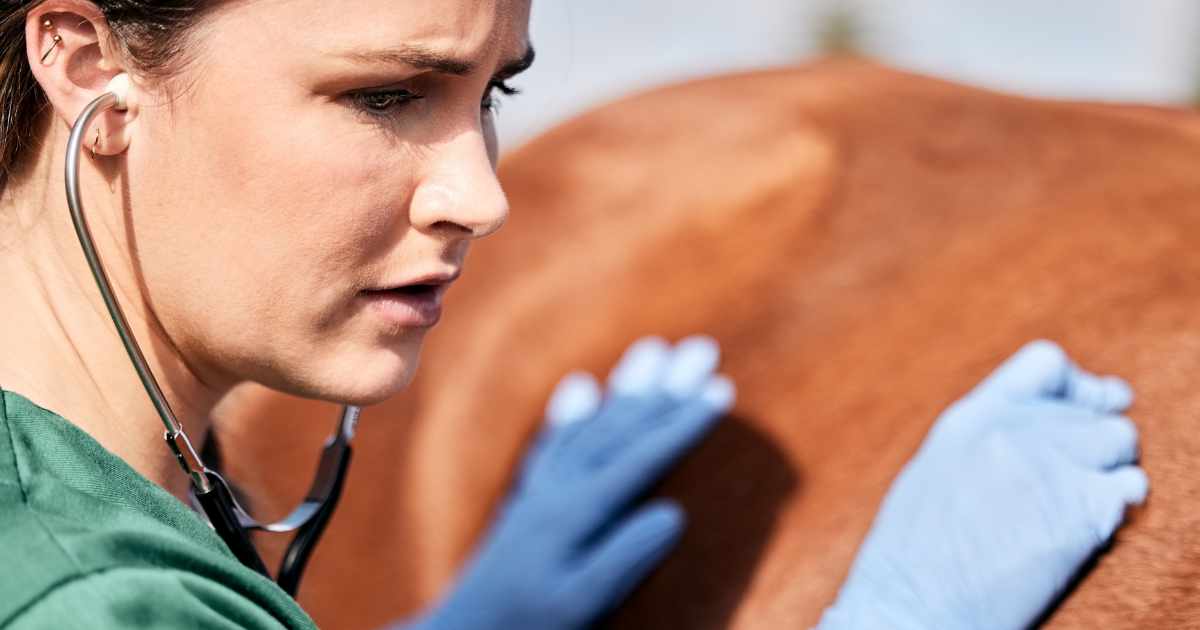
Maintaining the peak performance of an equine athlete is no small feat. Whether you’re preparing for a major competition or enjoying a regular training schedule, the health and well-being of your horse are paramount. A solid preventative care plan is the key to ensuring your horse stays at their best, minimising the risk of injury, and extending their athletic career. Here’s how you can build a robust preventative care routine that works.
1. Build a Balanced Nutrition Plan
A horse’s diet lays the foundation for their overall health and performance. Start by ensuring your horse receives the right balance of:
- Forage: High-quality hay or pasture should form the bulk of their diet, providing essential fibre for digestive health.
- Concentrates: If your horse needs additional energy, protein, or nutrients for their workload, feed carefully selected grains or pelleted feeds in moderation.
- Supplements: Add targeted supplements like omega-3 fatty acids for joint health or electrolytes for hydration during intense work.
Collaborate with an equine nutritionist or veterinarian to tailor the diet to your horse’s specific needs.
2. Prioritise Consistent Conditioning
Inconsistent training is one of the leading causes of overuse injuries in equine athletes. Conditioning programs should gradually increase in intensity and include:
- Cross-Training: Incorporate a variety of exercises such as trail rides or ground pole work to engage different muscle groups.
- Rest Days: Scheduled downtime allows muscles, ligaments, and tendons to recover, reducing the risk of strain.
- Warm-Ups and Cool-Downs: Always start and finish training sessions with slow, controlled movements to prepare and relax the body.
3. Schedule Regular Health Checks
A proactive approach to veterinary care helps you identify and address potential problems before they escalate. Key components include:
- Annual Exams: Even if your horse appears healthy, routine veterinary check-ups can catch early signs of lameness, dental issues, or metabolic disorders.
- Farrier Visits: Proper hoof care is essential for maintaining soundness. Regular trimming or shoeing prevents imbalances that can lead to injuries.
- Vaccinations and Parasite Control: Stay up to date on vaccinations and deworming schedules to protect against preventable diseases.
4. Integrate Advanced Therapies into Your Routine
Complementary therapies such as Pulsed Electromagnetic Field (PEMF) therapy and red light therapy have gained traction in the equestrian world for good reason. They offer non-invasive ways to support recovery and prevent injury.
- PEMF Therapy: Promotes cellular repair and enhances circulation, reducing inflammation and aiding muscle recovery after intense training.
- Red Light Therapy: Penetrates soft tissues to alleviate pain, reduce swelling, and encourage faster healing.
Including these treatments in your preventative care strategy can keep your horse in peak physical condition.
5. Recognise Early Warning Signs
One of the most effective ways to prevent injuries is to address subtle changes before they become serious problems. Keep an eye out for:
- Changes in gait or reluctance to perform certain movements.
- Signs of discomfort during grooming, tacking, or riding.
- Decreased appetite or sudden weight changes.
Acting quickly when you notice these signs can prevent small issues from turning into significant setbacks.
6. Focus on Mental Well-being
A healthy horse isn’t just physically fit—they’re mentally sound, too. Stress can have a negative impact on both performance and recovery, so it’s important to create a stable, low-stress environment.
- Turnout Time: Regular access to pasture provides mental stimulation and promotes relaxation.
- Routine: Horses thrive on consistency. Maintain a predictable schedule for feeding, grooming, and training.
- Socialisation: Allow your horse to interact with other equines to meet their social needs.
7. Tailor Care to Your Horse’s Discipline
Different equestrian sports place unique demands on horses. Consider the specific challenges of your horse’s discipline:
- Showjumpers and Eventers: Focus on strengthening the hindquarters and core to handle explosive movements and impact.
- Dressage Horses: Prioritise flexibility and symmetry to prevent repetitive strain injuries.
- Racing Horses: Emphasise cardiovascular fitness and recovery to cope with the intense demands of the track.
Work with your trainer and veterinarian to customise your care plan accordingly.
8. Partner with a Professional Team
Finally, surround yourself with a team of skilled professionals who share your commitment to your horse’s health. Your team might include:
- Veterinarians and farriers for routine care.
- Therapists for advanced treatments.
- Nutritionists to design optimised feeding plans.
- Trainers who emphasise safe, gradual progression.
This collaborative approach ensures your horse receives comprehensive care that addresses all aspects of their well-being.
A Lifetime of Health and Performance
Preventative care is a long-term investment in your equine athlete’s success and happiness. By focusing on nutrition, conditioning, advanced therapies, and mental health, you can help your horse thrive, minimise the risk of injuries, and extend their career.
Your horse works hard for you—make sure their care routine works just as hard for them! For more advice on equine wellness or to explore how therapies like PEMF and red light therapy can benefit your horse, get in touch with our team today.
