
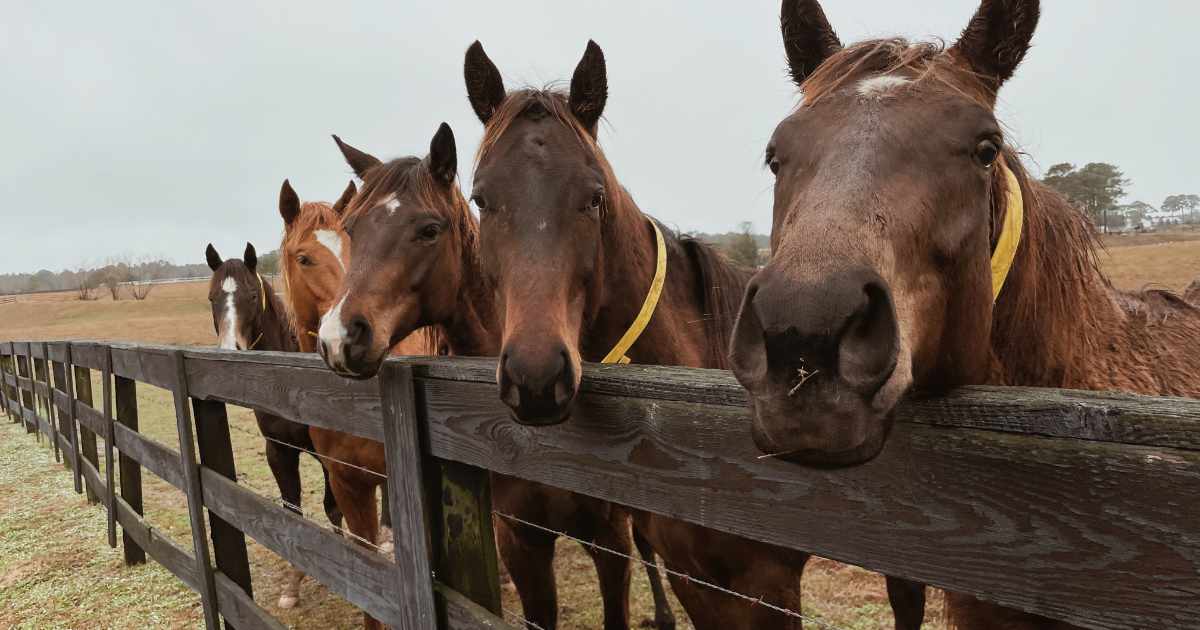
Horses are magnificent creatures, known for their grace, strength, and intelligence. However, to truly connect with these wonderful animals, it’s essential to understand their body language. By interpreting horse behaviour and body language, you can improve communication and build a stronger bond with your horse. In this blog post, we’ll explore some key aspects of equine body language and offer insights on how to enhance your relationship with your horse.
The Importance of Understanding Equine Body Language
Just like humans, horses communicate through a combination of verbal and non-verbal signals. While they might not speak our language, they express themselves through their body movements, facial expressions, and vocalisations. Understanding these cues is crucial for building trust and ensuring a harmonious relationship.
Horses are prey animals, which means they are naturally cautious and alert to their surroundings. They rely heavily on body language to communicate with each other and with us. By learning to read these signals, you can respond appropriately to your horse’s needs, fostering a sense of safety and trust.
Key Aspects of Equine Body Language
1. Ears
A horse’s ears are incredibly expressive and can tell you a lot about their mood and focus. Here are some common ear positions and what they mean:
- Forward Ears: When a horse’s ears are pointed forward, they are usually attentive and interested in what’s happening in front of them.
- Backward Ears: If the ears are pinned back, it can indicate anger, discomfort, or fear. It’s essential to approach a horse with pinned ears cautiously.
- Moving Ears: Ears that swivel back and forth show that the horse is attentive and processing multiple stimuli.
2. Eyes
A horse’s eyes can also provide valuable insights into their emotional state:
- Soft Eyes: Relaxed and calm eyes indicate that the horse is at ease.
- Wide Eyes: If a horse’s eyes are wide open with visible whites, it may be frightened or anxious.
- Half-Closed Eyes: This usually suggests that the horse is relaxed or even sleepy.
3. Mouth and Lips
Horses also use their mouths to communicate:
- Relaxed Lips: A horse with relaxed lips is usually calm and content.
- Tense Lips: Tight or pursed lips can indicate tension or discomfort.
- Licking and Chewing: When a horse licks and chews, it often means they are processing information and feeling relaxed.
4. Tail
The tail is another expressive part of a horse’s body:
- Relaxed Tail: A gently swaying tail indicates a relaxed and content horse.
- Swishing Tail: Rapid tail swishing can be a sign of irritation or discomfort.
- Tucked Tail: A tail held tightly against the body can indicate fear or submission.
5. Body Posture
A horse’s overall body posture can provide clues about their emotional state:
- Relaxed Stance: A horse standing with a relaxed posture is typically calm and comfortable.
- Tense Stance: A stiff or tense posture may indicate anxiety or readiness to flee.
- Pawing the Ground: This behaviour can signify impatience or frustration.
Building a Stronger Bond Through Understanding
Now that we’ve covered some basics of equine body language, let’s explore how you can use this knowledge to strengthen your bond with your horse.
1. Spend Quality Time Together
Building a strong relationship with your horse requires time and patience. Spend time grooming, feeding, and simply being with your horse. This helps create a sense of familiarity and trust.
2. Observe and Learn
Take the time to observe your horse’s behaviour in different situations. Pay attention to how they react to various stimuli and try to understand the context of their body language. This will help you anticipate their needs and respond appropriately.
3. Practice Calm and Consistent Handling
Horses respond well to calm and consistent handling. Approach your horse with confidence and speak in a soothing tone. Avoid sudden movements or loud noises that might startle them.
4. Respond Appropriately
When you notice signs of discomfort or fear, respond with empathy and understanding. If your horse is anxious, give them space and time to calm down. If they are relaxed, reward them with gentle strokes or a treat.
5. Engage in Positive Reinforcement
Use positive reinforcement to encourage desired behaviours. Reward your horse with treats, praise, or extra grooming when they display calm and cooperative behaviour. This reinforces the bond of trust between you.
6. Educate Yourself Continuously
The more you learn about equine behaviour and body language, the better equipped you’ll be to communicate effectively with your horse. Read books, attend workshops, and seek advice from experienced horse owners or trainers.
Understanding equine body language is a vital skill for any horse owner or enthusiast. By learning to interpret your horse’s signals, you can improve communication, build trust, and create a harmonious relationship. Remember, every horse is unique, and building a strong bond takes time and patience. With dedication and empathy, you can foster a connection that enriches both your life and your horse’s.
By embracing these insights and approaches, you’re not just becoming a better horse owner; you’re becoming a trusted partner to your equine friend. Happy bonding!
