
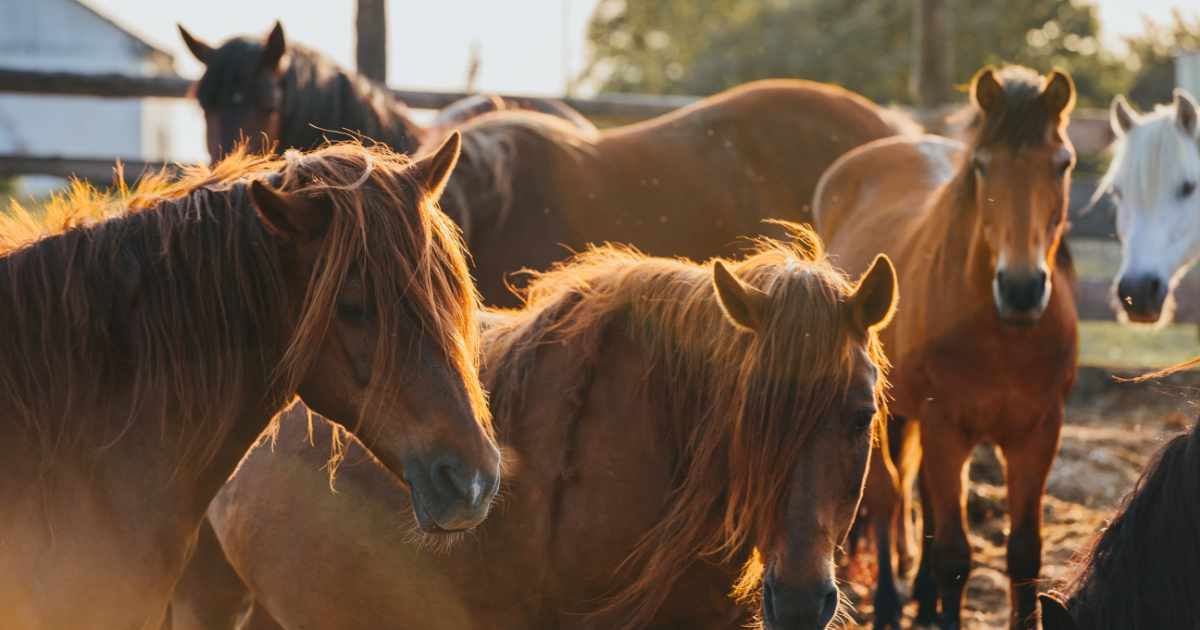
The bond between a horse and its owner is something truly special. At Harmonising Horses, we believe that understanding your horse’s needs is not just about care and maintenance; it’s about building a relationship based on trust, empathy, and communication. Horses, like humans, have distinct personalities, emotions, and needs. By observing and listening to them, we can deepen our connection and enhance their well-being.
The Importance of Observation
Observation is the cornerstone of understanding your horse. Horses communicate primarily through body language, and by paying close attention, you can glean valuable insights into their emotional and physical state. Here are some aspects to focus on:
- Body Language: Horses use their bodies to express a wide range of emotions. Ears, eyes, and tails can tell you a lot. For instance, pinned-back ears might indicate discomfort or irritation, while a softly swishing tail could mean contentment.
- Movement and Posture: Watch how your horse moves and stands. An irregular gait might signal pain, while a drooping posture could indicate fatigue or sadness.
- Facial Expressions: Yes, horses have facial expressions! Subtle changes in their eyes, nostrils, and mouth can provide clues about how they’re feeling.
- Vocalisations: While not as varied as their body language, horses do communicate vocally. Whinnies, nickers, and snorts each have their meanings, often related to their emotional state.
Listening to Your Horse
Listening to your horse goes beyond hearing their vocalisations; it’s about being attuned to their needs and responding appropriately. Here are a few tips:
- Be Present: Spend quality time with your horse without any agenda. Simply being present allows you to notice subtle cues you might miss during structured activities.
- Respond to Cues: If your horse is showing signs of discomfort or anxiety, take action. This might mean adjusting their environment, changing their diet, or consulting a professional for health issues.
- Consistency and Routine: Horses thrive on routine. By maintaining a consistent schedule, you can help your horse feel secure and understood.
- Engage in Gentle Communication: Use a soft voice and gentle touch to communicate. Horses are sensitive creatures and respond well to kindness and patience.
Understanding Behaviour and Needs
Every horse is unique, and understanding their behaviour is key to meeting their needs. Here’s how you can better comprehend and cater to them:
- Recognise Individual Personalities: Just like people, horses have distinct personalities. Some may be more social and outgoing, while others are reserved. Tailor your interactions to suit their personality.
- Identify Stressors: Horses can become stressed due to various factors such as changes in environment, diet, or social structure. Identifying and mitigating these stressors is crucial for their well-being.
- Monitor Health and Nutrition: A horse’s dietary needs can vary based on age, activity level, and health condition. Regular check-ups with a vet and a balanced diet are essential.
- Provide Mental Stimulation: Horses are intelligent creatures that need mental stimulation. Enrichment activities, varied routines, and training sessions can keep their minds sharp and engaged.
Building Trust and Connection
Building a strong bond with your horse requires time, patience, and empathy. Here are some strategies to foster trust and connection:
- Spend Quality Time Together: Engage in activities that your horse enjoys, whether it’s grooming, riding, or simply walking together.
- Learn Their Language: Understanding equine body language and vocalisations helps you communicate more effectively and meet their needs.
- Be Consistent and Reliable: Horses appreciate consistency. Being a reliable presence in their lives builds trust and confidence.
- Respect Their Space: Just like humans, horses need personal space. Respecting their boundaries is crucial for a healthy relationship.
The Role of Professional Guidance
While observation and listening are invaluable, sometimes professional guidance is necessary. Equine therapists, veterinarians, and trainers can provide insights and solutions tailored to your horse’s specific needs. At Harmonising Horses, we offer a range of services, including PEMF therapy, red light therapy and equine reiki, to support your horse’s health and happiness.
Understanding your horse’s needs is a journey of discovery and connection. By observing their body language, listening to their cues, and responding with empathy, you can build a relationship based on trust and mutual respect. Remember, every horse is unique, and taking the time to understand their individual needs will enrich both your lives. As you embark on this journey, know that Harmonising Horses is here to support you every step of the way.
